This story first appeared in the Fall 2025 edition of Northern Ohio Golfer Magazine, the official print publication of the Northern Ohio Golf Association. NOGA members who provide an address in their GHIN account receive a copy mailed to their home twice per year. Not yet a NOGA member? Join for 2026 now!
 Historical Note: In 1917, eight member clubs founded the newly chartered Northern Ohio Golf Association (NOGA) to conduct interclub competitions. Those founders included Shaker Heights, Mayfield, Westwood, and The Country Club, and the now-defunct Oakwood, Dover Bay, and Willowick Country Clubs. A club of golfers who made Highland Park Golf Course their home completed the octet. Today, Highland Park remains a proud NOGA Member Club, joining 154 others.
A Lost Prime
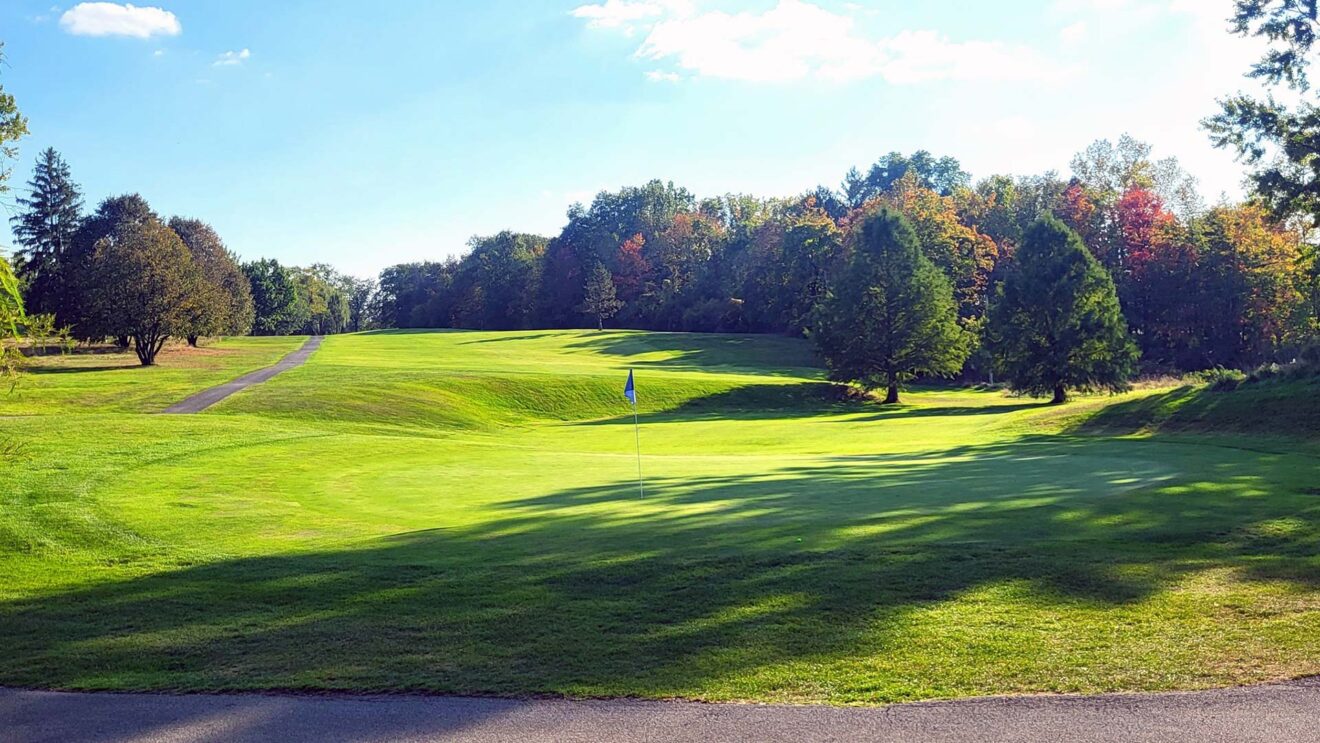
Five years ago, playing a round at Highland Park Golf Course was unforgettable, though not always for the right reasons. A simple online search revealed no official website, only listings from third-party tee time aggregators. Visitors arrived to find a nearly empty golf shop, its inventory reduced to little more than an overcooked hot dog spinning on an outdated machine. Golf carts, when available, were often in disrepair, and the course itself was in poor condition, often closing by mid-afternoon due to low demand. The facility seemed destined for closure.
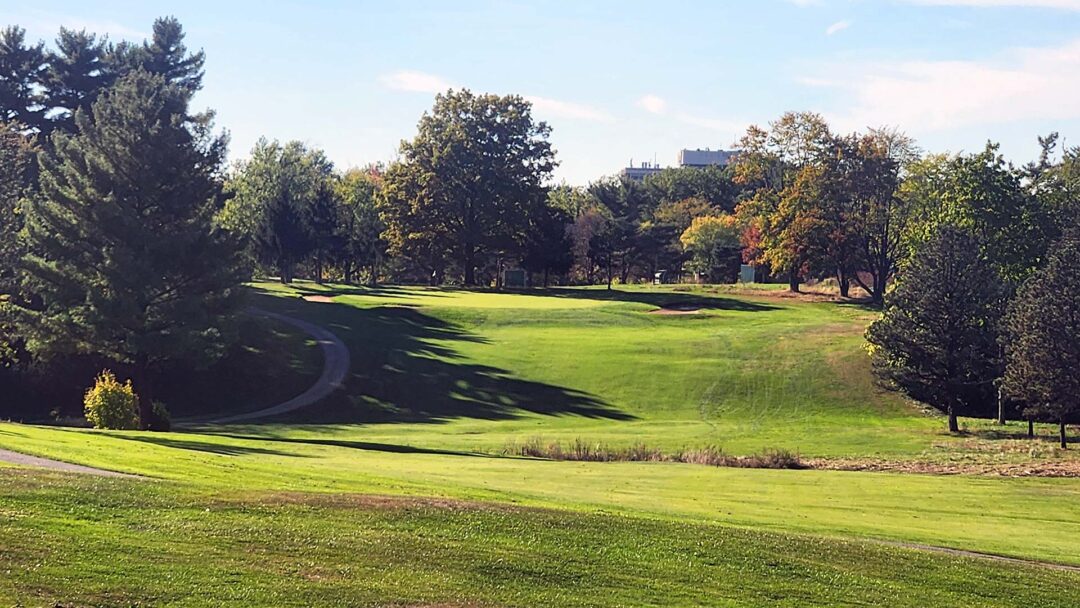
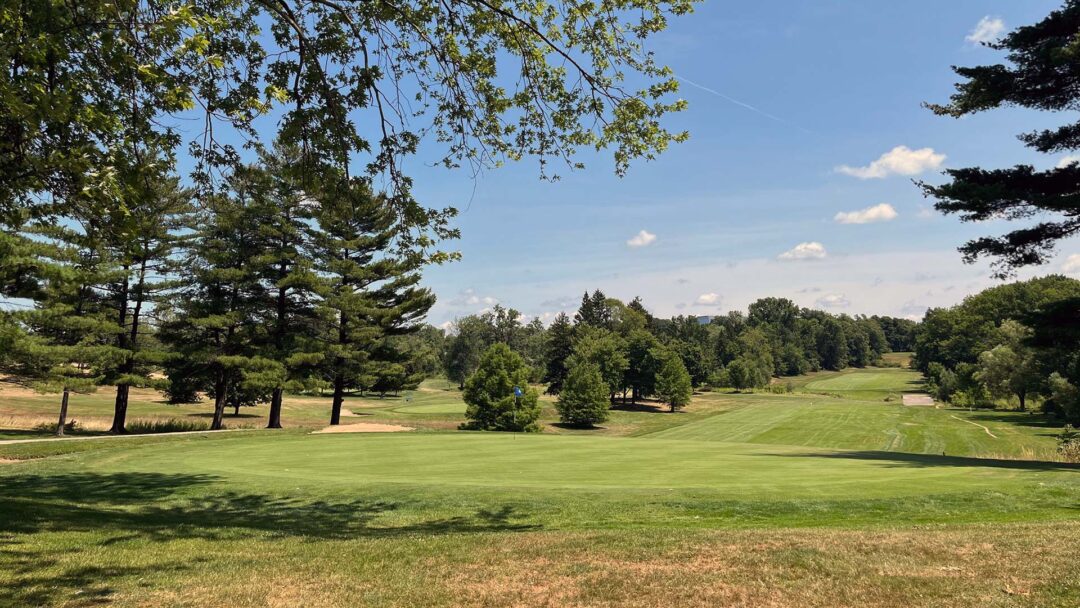
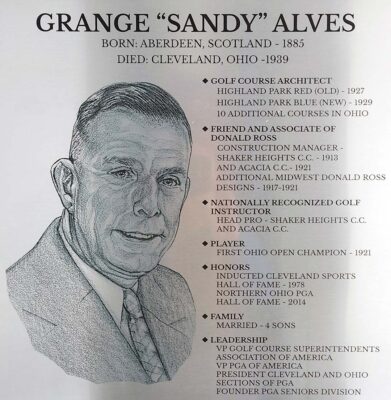 Yet Highland Park’s story extends far beyond its recent operational and maintenance challenges. This 36-hole municipal facility in Highland Hills, Ohio, lies just streets away from the renowned Canterbury Golf Club. Designed by Sandy Alves, Donald Ross’s Midwest associate, Highland is a must-play for Ross enthusiasts and fans of classic Ohio golf.
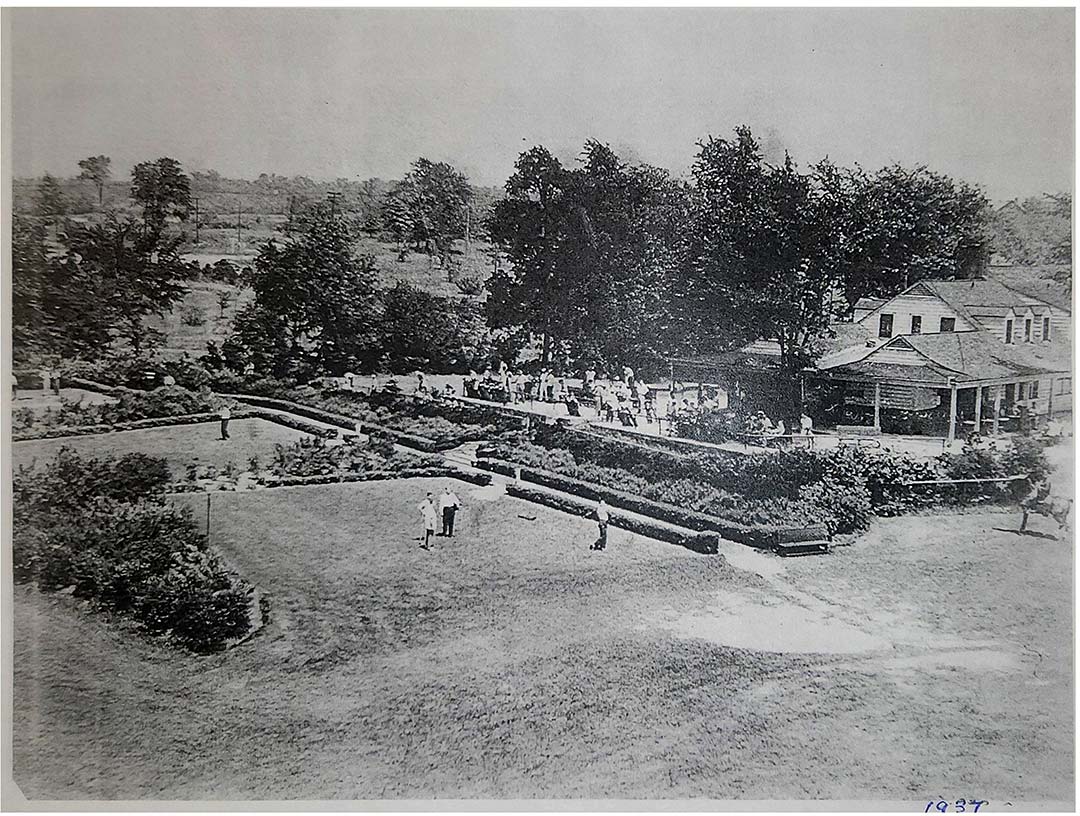
Though located outside Cleveland’s city limits, the course is owned by the City of Cleveland. Established in 1927, Highland boasts a rich history, serving as a hub for minority golfers in the region. It was home to legendary golf professional Charlie Sifford and has hosted the PGA WORKS Collegiate Championship (formerly the NCAA Minority Golf Championship) nine times. During its prime, Highland welcomed PGA Tour icons like Jack Nicklaus, Arnold Palmer, and Gary Player for the 1964 and 1965 Cleveland Open.
A Winning Combination
Locals and golf business experts agree that Highland Park possesses the ideal attributes for success. Its location is a key strength: with in 10 miles of the course, more than 100,000 people live, freeway access is close by, and the nearest public golf course lies over 10 miles away. Spanning more than 300 acres of roll ing hills, with Mill Creek winding through several holes, the property offers ample space for improvements without compromising its scope. Highland’s storied history further enriches the experience for both returning players and new guests.
Troon Regional Vice President Nick Bednar captured it well: “Highland has all the right attributes to become a thriving facility. We are excited to partner in the revitalization of this remarkable property.”
Reviving a Cleveland Landmark
As a current Highland Park Golf Foundation board member, former junior golfer at Highland, PGA Professional and executive with Golf Channel, your author shares the passion for restoring this beloved municipal course. My love for Highland began as a young golfer, riding my bicycle to the course with clubs slung over my shoulder, to a place that would ultimately spark a lifelong career in golf.
Recognizing Highland’s historical and com munity significance, Cleveland Mayor Justin Bibb viewed the course as more than a golf facility—it was a landmark worthy of revival, much like the city’s efforts to restore Shaker Square and the West Side Market.
Following a competitive bid process, the City of Cleveland awarded management rights to the Highland Park Golf Foundation (HPGF), a 501(c)(3) nonprofit dedicated to the course’s restoration and sustainability. The Foundation partnered with Troon Golf to manage daily operations and with Down to Earth Golf for turf and landscape maintenance, while attempting to raise community-based capital for improvements.
Leading the Foundation is local businessman and golf enthusiast Bob Flesher, who sees the project as a chance to preserve a cherished piece of Cleveland’s heritage. He is supported by a distinguished group of board members and community leaders, including Darrell McNair, President and CEO of MVP Plastics; David Wagner, Principal and Managing Di rector of Hanna Commercial Real Estate; PGA Professional Drew Pierson, owner of The Clubhouse Cleveland; and Paul Dolan, owner of the Cleveland Guardians. These individuals, among others, are united in their commitment to revitalizing this historic property. For me, it’s gratifying to know future generations of Cleveland golfers will discover the joy and community Highland offers.
Growing the Game in Cleveland
One of Mayor Bibb’s priorities was to re-engage Cleveland’s golfers with Highland. This summer, the course hosted its first Community Day, welcoming over 130 local children in collaboration with the city’s Recreation Department. For many participants and their parents, it was their first visit, and the event provided a memorable introduction through golf games, giant course equipment displays, and chipping lessons from Charlie Sifford Jr., son of Highland’s legendary frequent patron. Today, Highland is becoming a true community hub, hosting city-based leagues, Cleveland-area Senate League high school teams, and offering special pricing for Cleveland residents.
A Vision for the Future
The Foundation’s mission is clear yet ambitious: to restore and revitalize Highland Park Golf Course as an accessible, diverse, sustainable, and affordable community golf center. While vision and passion are vital, financial stability is equally critical. For years, Highland operated at a loss, with deficits reaching hundreds of thousands of dollars annually. However, the financial challenges are beginning to ease.
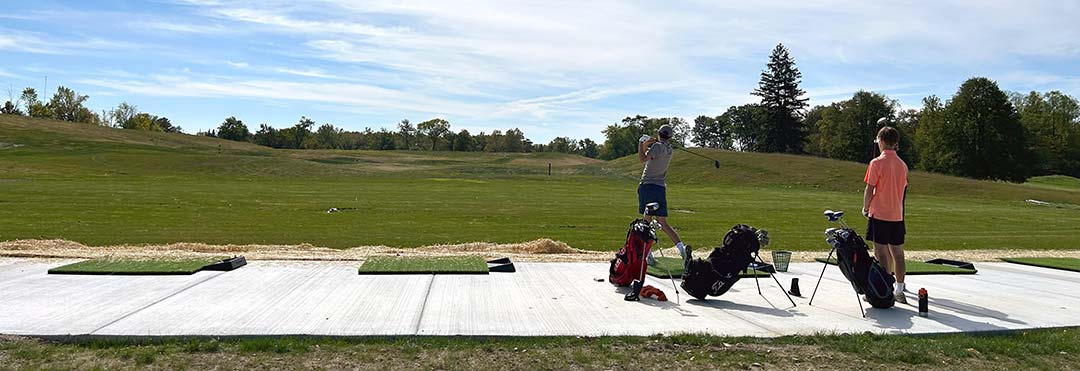
The 2024 season marked Highland’s strongest performance in decades. Though operations remained slightly in the red, Bob Flesher expressed optimism: “With the new practice range and both courses fully open, we believe Highland will soon generate sufficient revenue for further improvements.” Visible progress includes the newly opened driving range, operational since October 1, a fully renovated and stocked golf shop, refreshed party room and snack shop, and a fresh fleet of carts replacing the aging ones. Both courses now welcome players from sunrise to sunset throughout the season.
Looking ahead, Highland’s vision is bold. Plans include an indoor learning center, TopTracer range technology, and renovations to the Blue Course, with early discussions even suggesting a future LPGA event. Mayor Bibb summed it up best: “Highland Park Golf Course is a cherished Cleveland landmark, and I am excited for its historic transformation. As we introduce comprehensive im prove ments for future generations, we proudly honor the rich legacy this course holds in our community.”